Updated 5 November 2026. The featured product facts have been checked against ACT Meters and Detectortesters manufacturer information.

A fire alarm engineer’s toolkit usually combines electrical measuring equipment, suitable detector testers, hand tools, system-specific accessories and the records needed for the job. Start with the systems and tasks on your schedule, then choose the equipment that supports them.
This checklist is a practical starting point for installation, servicing and fault finding. Adapt it to your competence, the manufacturer’s instructions, the site’s arrangements and the agreed scope of work.
Jump to the packing checklist, equipment-by-task table or verified product examples.
Fire alarm engineer tools checklist
Before leaving for site, check the following against the work you are booked to carry out:
- Job and system information: panel and detector models, service history, site contacts, relevant drawings and the work specification.
- Measuring equipment: a suitable multimeter, compatible leads and any specialist instruments required for the planned measurements.
- Detector testing equipment: the correct smoke, heat or other stimulus for the devices being tested, with the required heads, poles and adaptors.
- Power and consumables: charged tester batteries, compatible chargers and enough approved aerosol or cartridges for the visit.
- Hand tools: suitable screwdrivers, cutters, strippers and pliers, plus drilling and fixing equipment where installation work requires it.
- System-specific items: the right call-point test keys, panel keys, programming leads, software and authorised access details.
- Specified spares: compatible devices, correctly rated fuses, the required end-of-line components and suitable replacement batteries.
- Access, protection and records: the agreed access equipment and PPE, together with the forms or digital tools needed to record results and hand over the work.
Which equipment do you need for each task?
| Task | Equipment to consider | Check before the visit |
|---|---|---|
| Electrical measurements and fault finding | Suitable multimeter and test leads. | Required functions, measurement limits, lead condition and the safe test method. |
| Functional smoke detector testing | Compatible aerosol dispenser or electronic smoke tester, with its specified consumables. | Detector type, cup fit, approved stimulus and access height. |
| Functional heat detector testing | Purpose-designed heat tester, batteries and charger where required. | Detector activation temperature, tester capability and any required adaptor. |
| Call-point testing | Correct test keys or the manufacturer’s specified test tool. | The exact call-point model and reset procedure. |
| Audibility measurements | Suitable sound level meter and any accessories specified for the measurement method. | Measurement settings, instrument checks and recording requirements. |
| Panel configuration or data transfer | Laptop, approved software and the correct interface lead. | Panel/software compatibility, permissions and backup arrangements. |
| Installation and replacement | Hand tools, specified fixings, cable preparation tools and suitable spares. | Terminal instructions, cable sizes and device compatibility. |
| Accessing devices | Suitable test poles or access equipment selected for the task. | Reach, obstructions, site conditions and the access plan. |
Choose detector testers for the actual devices
Identify the sensing technology before selecting a tester. A smoke tester and a heat tester provide different stimuli. For multisensor devices, check the detector manufacturer’s test requirements and the capabilities of the proposed equipment.
Include the complete working setup: head, compatible poles, power source, consumables and any adaptor. An aerosol dispenser needs the specified aerosol. An electronic smoke tester may use dedicated cartridges instead. Check the product code and kit contents before assuming existing batteries or consumables will fit.
Browse detector test equipment and our Solo smoke detector testing guide for the available approaches.
Carry a suitable multimeter and leads
Choose the instrument for the measurements involved. The ACT 6000 example below supports AC and DC voltage and current measurement, resistance, continuity and diode testing. Those functions can support electrical checks, but the instrument and leads must suit the test conditions.
Inspect equipment before use and follow the instrument instructions and the safe method agreed for the work. HSE’s electrical test-equipment guidance says electrical work should be carried out with the system dead wherever possible, including testing. A meter’s measurement functions do not establish permission or competence to work live.
Prepare programming equipment and documentation
Where configuration work is planned, check the exact panel, software version, licence and interface lead before travelling. Carry the manufacturer’s instructions and arrange authorised access and appropriate backups. A generic USB lead is only useful where the panel’s instructions specify that connection.
Bring the records needed to identify devices, document measurements and explain any outstanding defects. Confirm the site’s testing arrangements with the responsible contact before work starts.
Hand tools for installation and servicing
Screwdrivers
Carry the driver types and sizes required by the equipment. Follow the manufacturer’s terminal and tightening instructions, including a specified torque where applicable.
Wire strippers
Choose strippers for the conductor sizes and insulation being prepared. Check the cable and terminal instructions so preparation suits the connection.
Pliers and cutters
Select cutters, long-nose pliers and any crimping tool for the cable, connector or termination involved. Keep task-specific tools with their matching consumables.
Drilling and fixing equipment
For installation work, pack the drill, bits, fixings and protective equipment appropriate to the mounting surface and the site’s work plan. These requirements will differ from a visit booked solely for servicing.
Consumables and small parts
Organise consumables by type and specification. Useful stock may include labels, approved cable supports, fixings and the components needed for the systems you service.
Huvo stocks stainless-steel cable ties, resistor kits and fuse kits. Check suitability against the installation specification. Fuses and end-of-line components need to match the equipment manufacturer’s requirements.
Plan spares for the systems you maintain
Build a targeted stock of compatible detectors, bases, call-point elements and other parts for your service portfolio. Similar appearance does not establish electrical or protocol compatibility.
For replacement fire alarm batteries, check the specified chemistry, voltage, capacity, connections and physical fit. Include any battery-test equipment required by the maintenance method, and check its supported battery types separately.
Plan access and safety equipment
Assess device height, obstructions and the work involved before choosing access equipment. HSE’s work-at-height guidance prioritises avoiding work at height where reasonably practicable and doing as much as possible from the ground. Where access equipment is needed, it must be suitable for the task and used by competent people.
Confirm the reach of the complete pole arrangement and the tester’s instructions. A quoted maximum height does not mean a pole is included in a head or tester kit.
Verified product examples for an engineer’s kit
These examples cover different tasks. Check the complete product details and the equipment already in your kit before ordering.
| Product | Verified role and features | What else to check |
|---|---|---|
| ACT/6000 multimeter | Autoranging measurement with a 6000-count display, AC/DC voltage and current, resistance, continuity and diode functions. | Measurement conditions, suitable leads and the instrument instructions. |
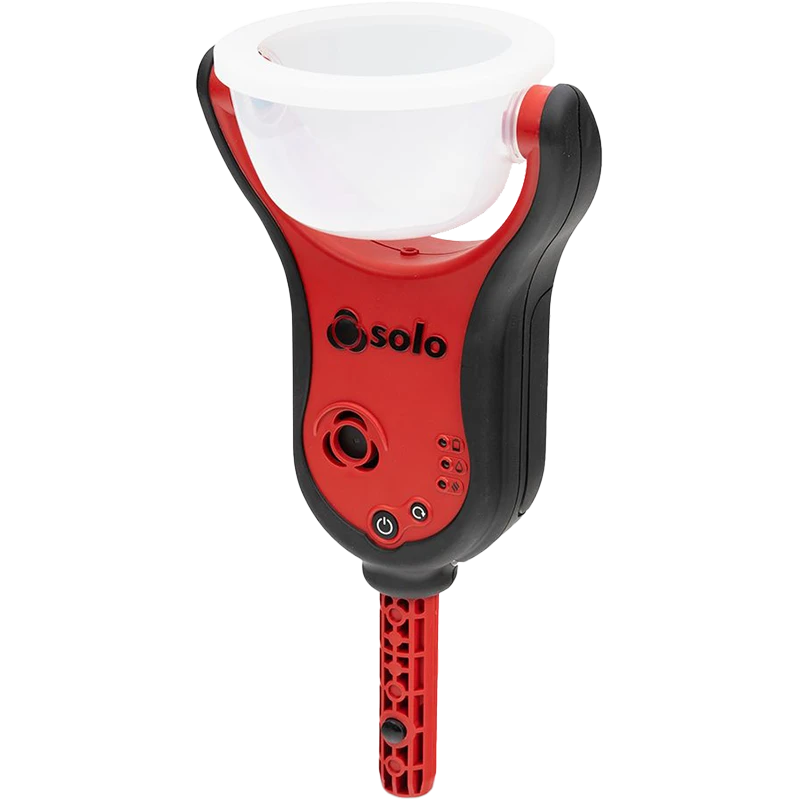
| Solo 365, SOLO365-001 | Electronic smoke tester using dedicated smoke cartridges, with proximity-triggered smoke generation and a clearing mode. | Detector compatibility, consumables, charge and the required access poles. |
| Solo 461, SOLO461-001 | Cordless heat-test kit containing a Solo 460 head, two Solo 770 battery batons and a Solo 727 charger. Manufacturer specifies suitable heat detectors up to 90°C. | Detector type, temperature, adaptors and compatible access poles. |
ACT 6000: electrical measurement
ACT’s manufacturer information confirms the functions above and an integrated magnetic hanger. Select it against the measurements required by the job.

Solo 365: cartridge-based smoke testing
Detectortesters lists SOLO365-001 with an ES3 smoke cartridge, 371 smoke generator, 370 lithium-ion battery pack and USB universal charger. The proximity sensor starts smoke generation when a detector enters the cup, while the clearing mode disperses residual smoke. Access poles are a separate consideration.
Solo 461: cordless heat testing
The manufacturer’s SOLO461-001 listing confirms the head, two battery batons and charger listed in the table. It identifies fixed-temperature, rate-of-rise and combination heat detectors up to 90°C as the intended applications. Check the exact detector and any adaptor requirements before use.

Fire alarm engineer toolkit questions
What tools does a fire alarm technician need?
Start with the job specification: suitable measuring equipment, detector testers, hand tools, system-specific keys or interfaces, records and appropriate access equipment. Use the checklist above to build a kit for the systems and tasks you actually handle.
Is a smoke tester enough for heat detectors?
Select the stimulus required by the detector’s instructions. The Solo 365 example is a smoke tester. The Solo 461 example provides heat testing. Check multisensor requirements separately.
Does the Solo 461 kit include access poles?
The manufacturer’s listed kit contents are a Solo 460 head, two Solo 770 battery batons and a Solo 727 charger. Arrange suitable access poles separately if required.
Do all fire alarm engineers need programming software?
Check the systems and work you are authorised to undertake. Configuration tasks may need a particular software version, licence and connection lead, while other visits may not involve programming.
For more options, browse fire alarm engineers’ tools and detector test equipment.