Somewhere in a school, an emergency adrenaline kit is ready for the day it might be needed. But if a pupil has a severe allergic reaction, staff need to know exactly where it is, which device to take and how quickly they can bring it to the pupil.
That question sits behind Benedict’s Law, the name commonly used for new allergy safety measures in England, introduced following the campaign in memory of Benedict Blythe. Since September 2026, schools within scope have been required to have, review and publish an allergy safety policy. The Department for Education’s statutory guidance also sets out how schools should plan for staff training, individual needs and anaphylaxis response.
There is a lot for a school to consider. One part is very practical: can emergency medication reach a pupil in time?
What Benedict’s Law means for schools now
The legal position matters because the policy duty and the proposed duties for training and spare adrenaline devices are at different stages. As of November 2026, the position in England is:
| Area | Current position |
|---|---|
| Allergy safety policy | Maintained schools, academies and pupil referral units within scope must have a policy, review it at least annually, make it known to their communities and publish it on their website. See section 100A of the Children and Families Act 2014. |
| Statutory guidance | Schools within scope must have regard to the DfE guidance. It covers allergy awareness, Individual Healthcare Plans where needed, emergency response, incidents and access to adrenaline. |
| Spare adrenaline devices | The guidance expects schools to stock spare adrenaline auto-injectors. It says a separate statutory stocking duty is intended through further regulations. Schools in England can already purchase spare auto-injectors for emergency use under the existing medicines rules. |
The current statutory guidance applies to maintained schools (with some exclusions), academies and pupil referral units in England. Other settings may find it useful, but they should check which duties apply to them rather than assume the scope is identical.
The five-minute question
The DfE guidance says adrenaline should be administered as soon as possible in an anaphylaxis emergency, within five minutes. If a pupil does not have their prescribed devices with them, those devices or the school’s spares need to be close enough for staff to bring them to the pupil and use them within that time.
The guidance is clear that the medication should be brought to the pupil. Their own prescribed devices should be available to them, while school-held spares provide a backup if those devices are unavailable or misfire.
That makes location a question for the whole site, not only reception. Think about classrooms, the dining hall, the playground, sports fields and any buildings separated from the main block. A route that works at 10am may look different when an office is closed or the person who usually holds a key is away.
| Question to test on site | Why it matters |
|---|---|
| Can staff identify the right kit immediately? | Spare devices should be clearly labelled and stored in pairs, with the correct dosage for the pupils they may need to help. |
| Can they open it without a key? | The guidance says adrenaline devices must be readily accessible and must not be locked away or held in a room with restricted access. |
| Can they bring it to every area in time? | The five minutes includes getting the medication to the pupil and administering it. Larger or split sites may need more than one set of spares. |
| Is the storage position suitable for the medication? | Devices must be stored at room temperature in line with their manufacturer’s instructions, away from direct sunlight and extremes of heat. |
Where a clear enclosure can help
A kit in an unlabelled drawer can be difficult to find, particularly for a member of staff who does not usually work in that part of the school. A clearly identified wall position gives the kit a place everyone can learn and check.
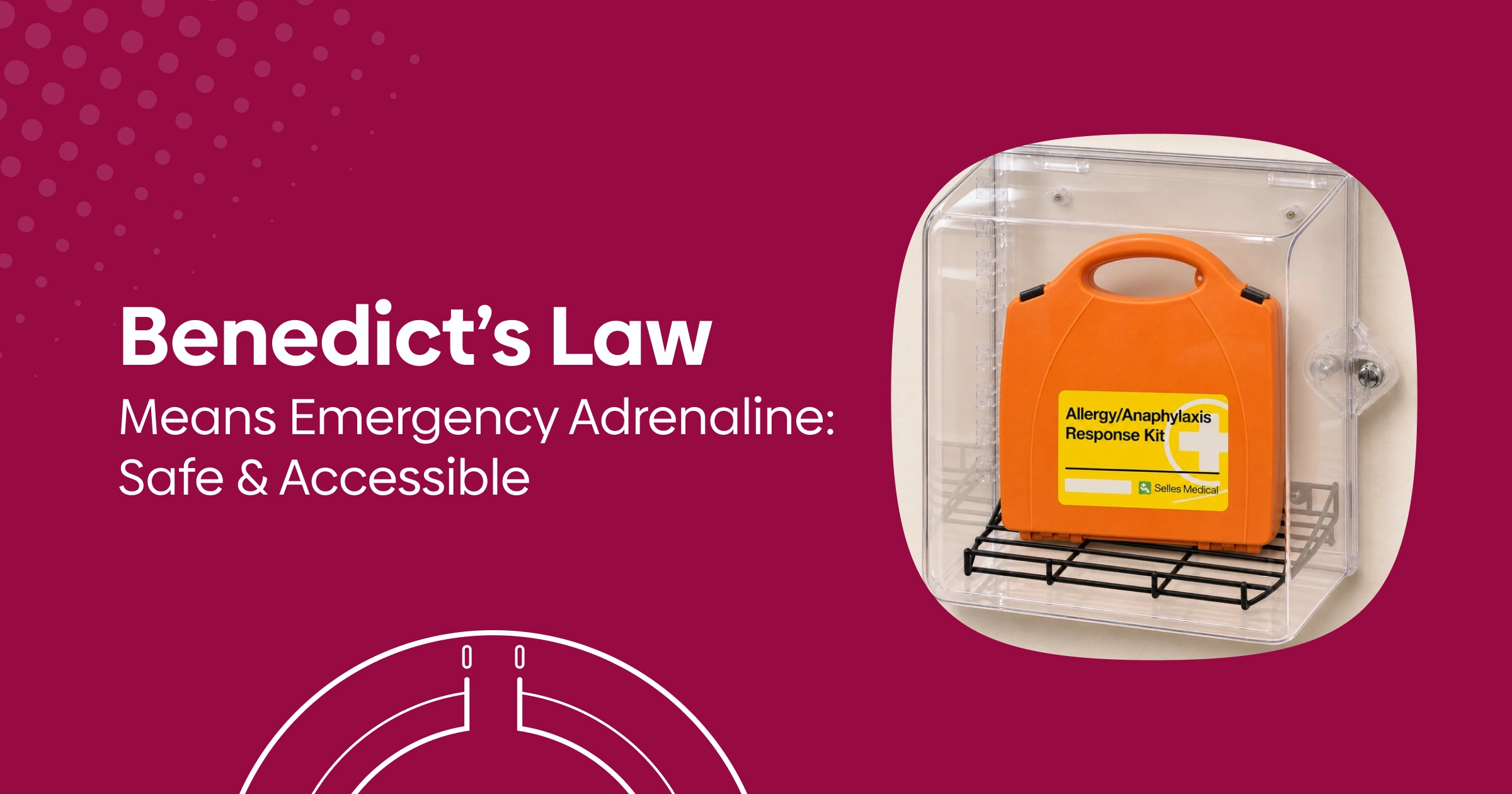
STI makes clear polycarbonate enclosures that can protect selected anaphylaxis pouches and response boxes while keeping them visible. The models below open with a thumb-operated mechanism, so staff do not need to find a key first.
Access must lead the decision. Some of these enclosures have an eyelet for an optional padlock. The padlock option should not be used for emergency adrenaline: the DfE guidance says adrenaline devices should not be locked away. A cabinet also needs to be placed away from direct sunlight and excessive heat, and the school should check that the actual kit fits and can be removed quickly.
No cabinet is mandated. Neither Benedict’s Law nor the DfE guidance specifies an enclosure. These are practical options for schools that want to make kits easier to see and protect, provided staff can access the medication promptly and the storage position meets its requirements.
STI enclosure options for emergency anaphylaxis kits
Kit dimensions vary between suppliers. STI’s published internal dimensions are shown below (height × width × depth). Measure the complete kit, including its case and accessories, and allow space to remove it quickly. The STI-7531MED also has an internal wire shelf, which may reduce usable space.
| Enclosure | Internal dimensions (H × W × D) |
|---|---|
| STI-7511F | 138 × 217 × 76 mm |
| STI-7511A | 150 × 215 × 131 mm |
| STI-7531MED | 361 × 310 × 164 mm |
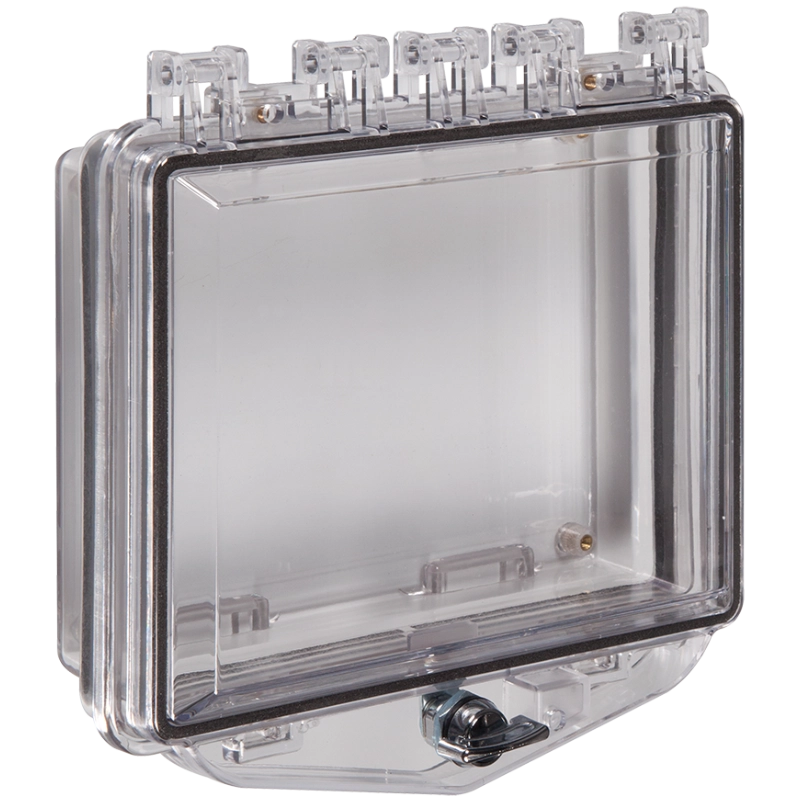
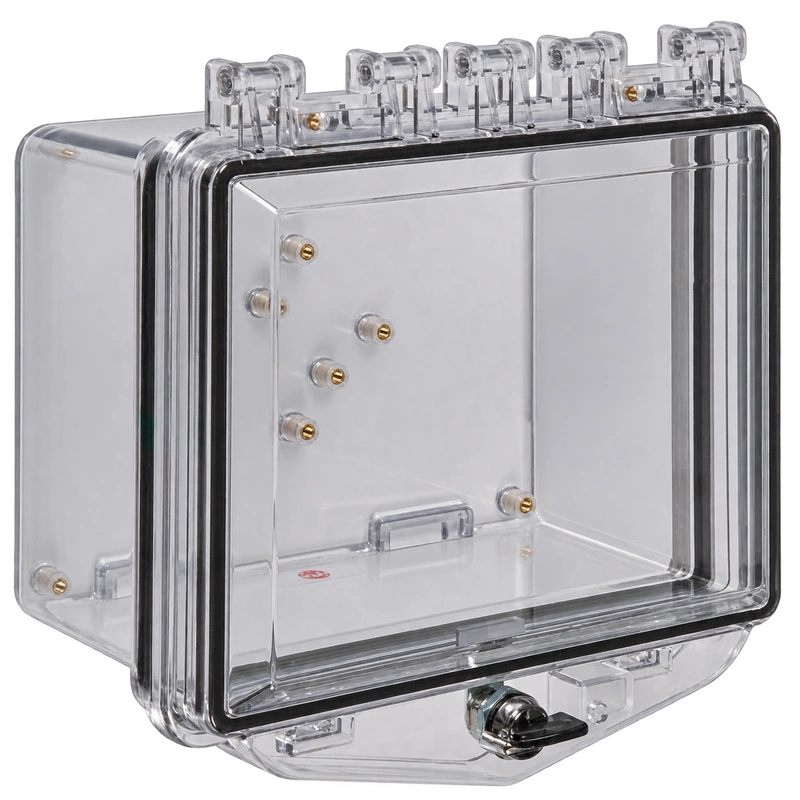
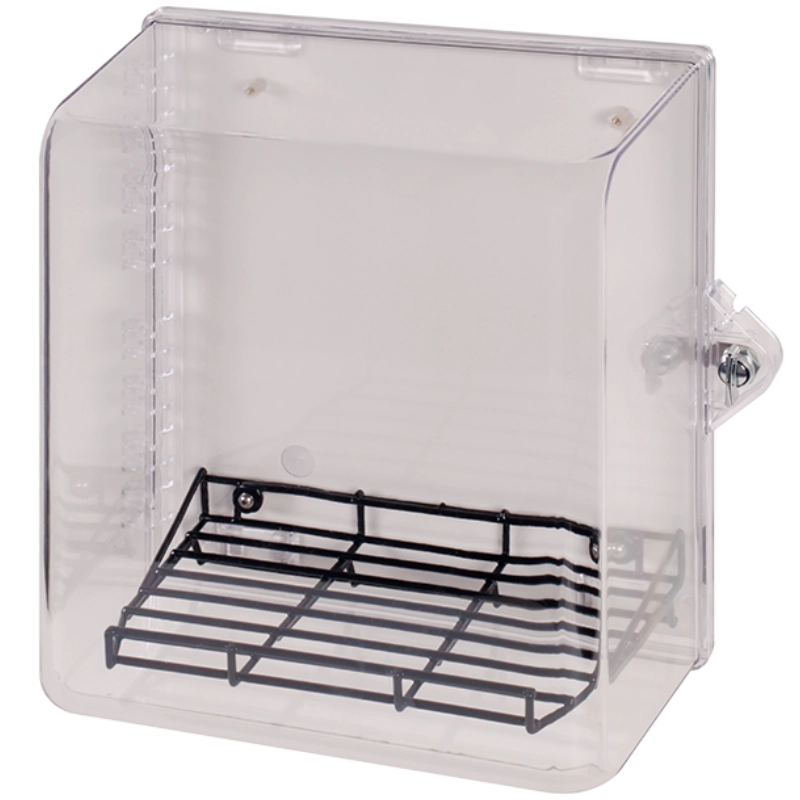
These are enclosures, not medication kits. Before specifying one, check the size of the complete kit, how staff will identify and open it, and the conditions at the proposed mounting position.
Make the storage decision part of the plan
A visible cabinet can make an emergency kit easier to recognise and help protect it from accidental damage. It only works as part of a wider response that staff know and practise: the allergy safety policy, suitable training, individual plans where needed, regular checks of the medication and a clear route to the pupil.
We can talk through the STI options with you. Call 01792 983 170 or email [email protected].
Guidance and legal position checked in November 2026. For the full requirements, see the Department for Education guidance and the legislation.